Most people research PRP microneedling before the appointment. Far fewer think carefully about what happens after. That gap between treatment day and visible results is where outcomes are either protected or quietly undermined. Knowing the recovery arc in advance means fewer surprises, better decisions, and a clearer sense of when your skin is progressing normally.
How long does PRP microneedling recovery typically take?
Most patients move through the active recovery phase within five to seven days, though the deeper dermal remodeling that produces visible results continues for up to three months.
The Biology Driving Your Recovery
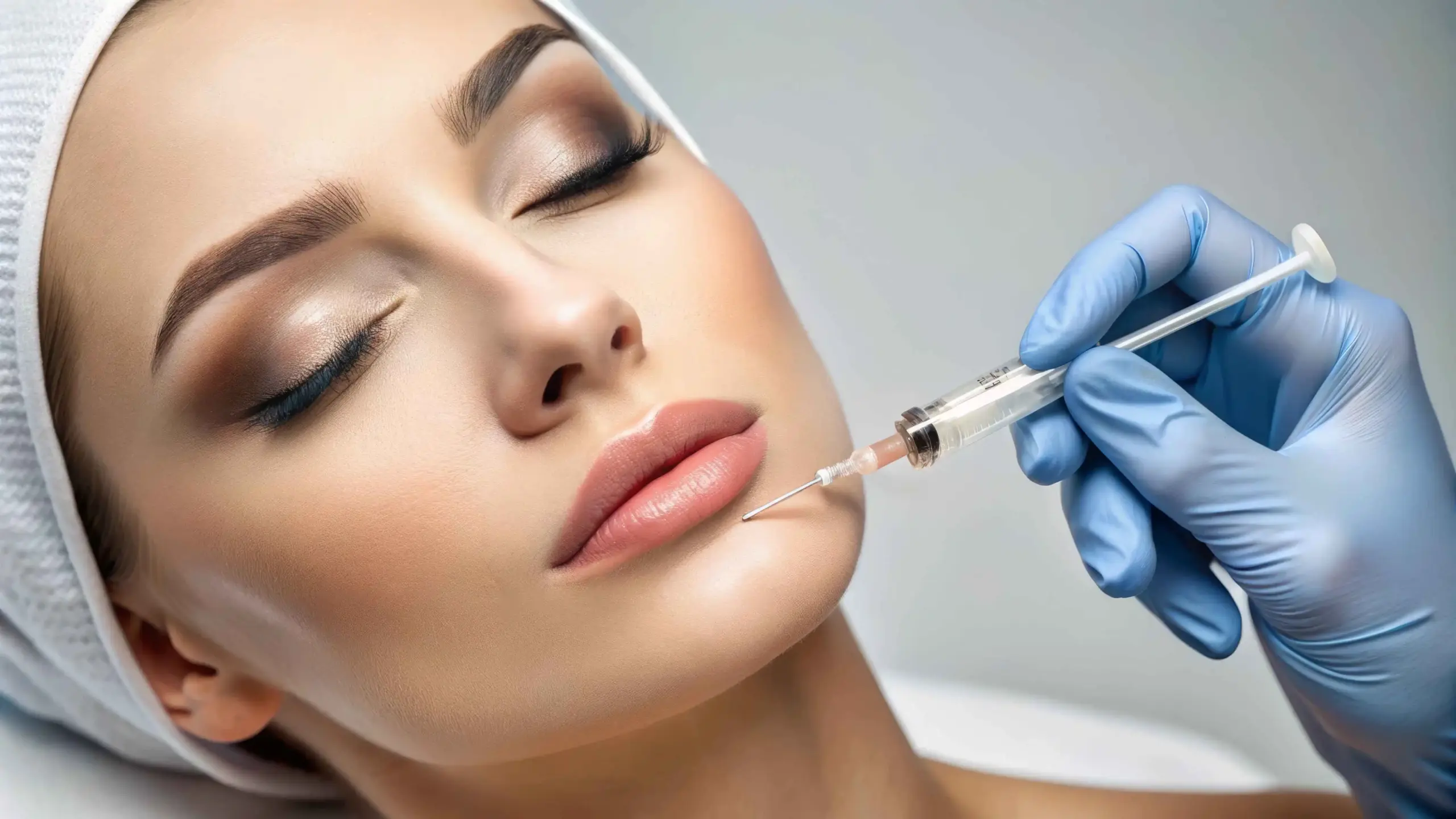
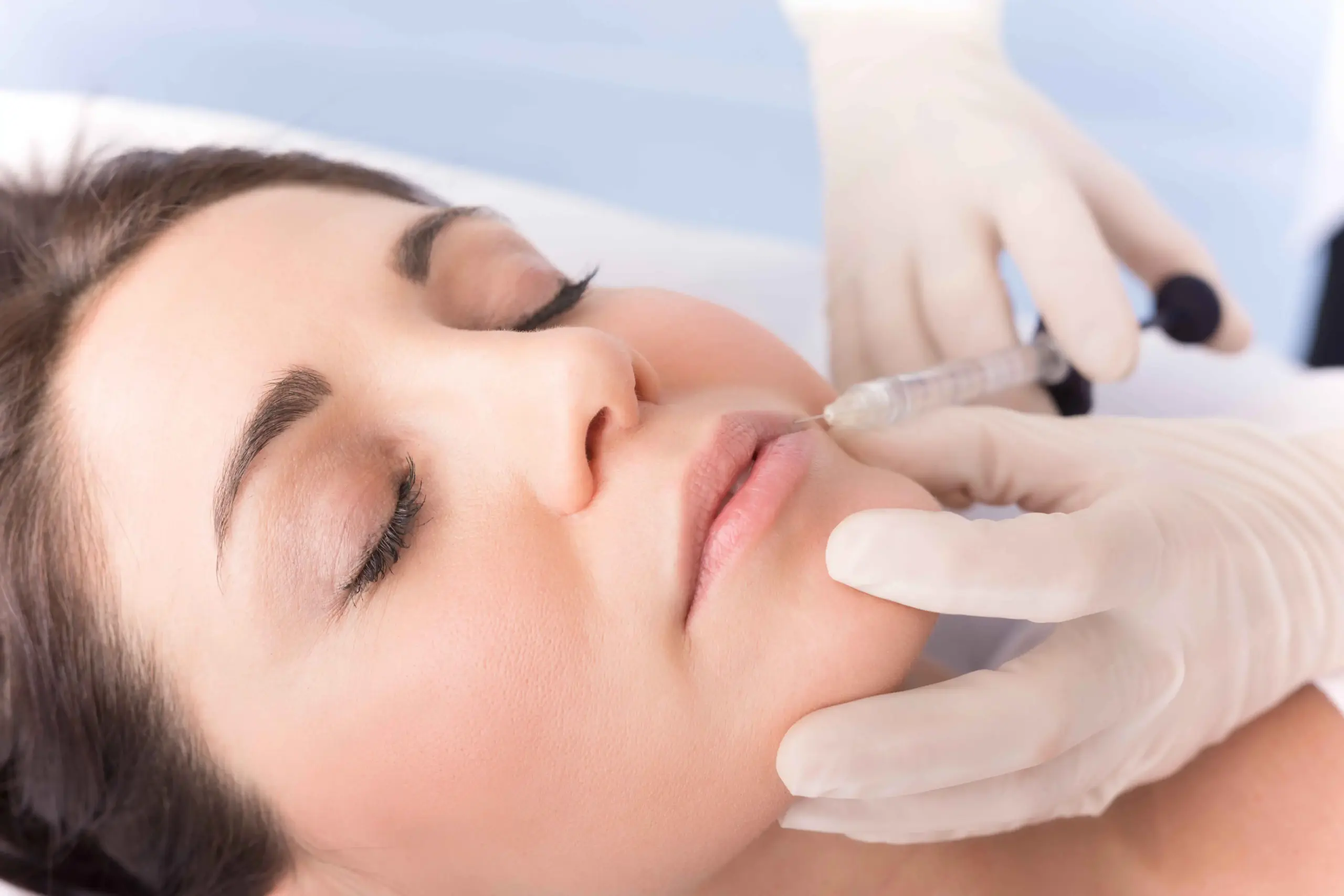
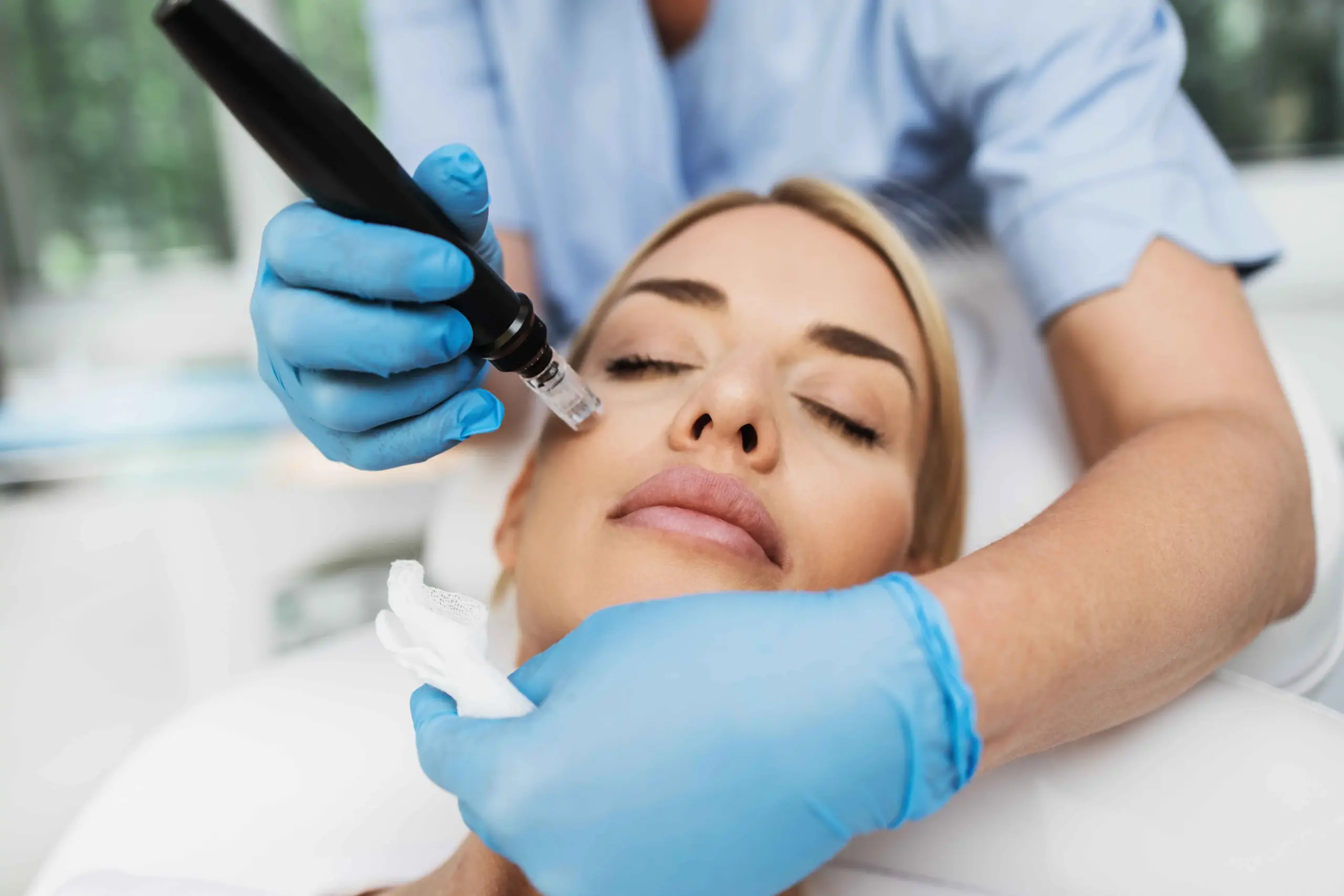
PRP microneedling works through two simultaneous mechanisms. The microneedling component introduces precise, controlled injuries into the dermis, activating the skin’s repair response. Platelet-rich plasma, drawn from your own blood and applied during treatment, delivers a concentrated dose of growth factors into those open channels, accelerating the cellular activity that follows.
This is not a surface-level treatment. The PRP microneedling healing process is dermal, meaning recovery unfolds in biological stages rather than on a strict cosmetic schedule. Expecting results before collagen has had time to form is the most common source of patient frustration, which is why understanding the timeline matters before you ever step into the treatment room.
The First 24 Hours: What Normal Looks Like
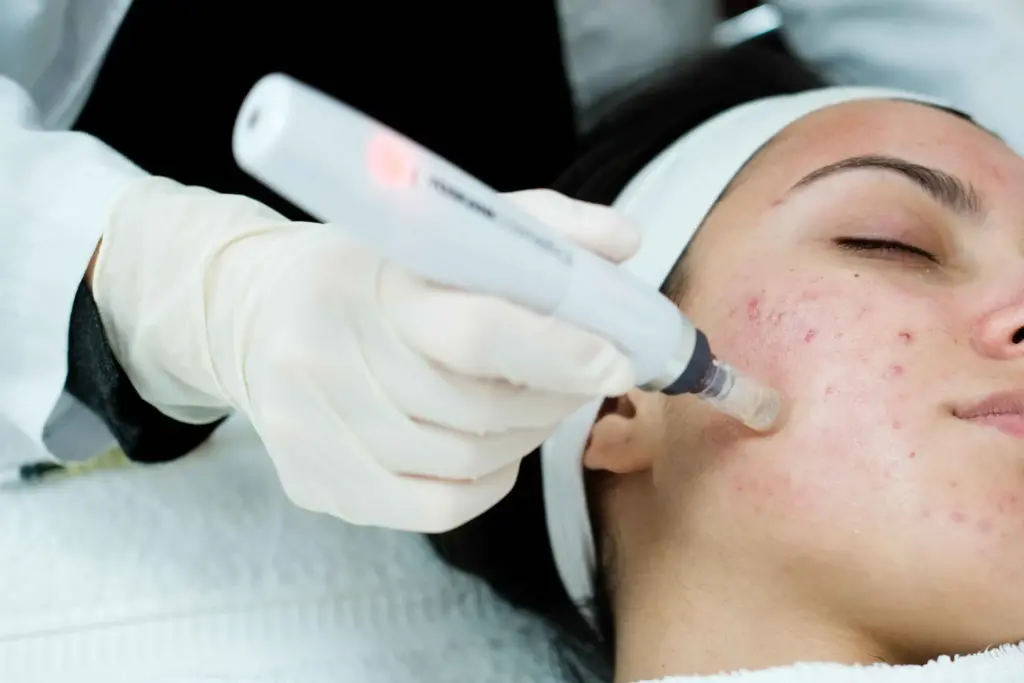
In the hours immediately following treatment, the skin responds with redness, warmth, and mild swelling. The intensity varies based on needle depth, the areas treated, and individual skin sensitivity, but the presentation typically resembles a moderate sunburn. This is the acute inflammation phase, and it confirms that the healing cascade has been triggered.
PRP microneedling downtime during this window is real but manageable. Most patients can return to non-public routines the same day. Social plans, on the other hand, are better scheduled around this phase. Makeup should be avoided for at least the first 24 hours to allow the microchannels to close without interference.
Sleep elevated if possible to reduce overnight puffiness. Use only the post-care products your provider has cleared, avoiding anything active, fragranced, or abrasive. The skin barrier is compromised immediately after treatment and responds poorly to products it would otherwise tolerate.
Days 2 Through 4: Surface Shedding and Sensitivity
As acute redness fades, the upper layers of the epidermis begin to shed. Tightness, dryness, and a rough texture are common during this phase. Light flaking may appear around the nose, chin, and forehead, where skin tends to be more reactive. This is a normal part of PRP facial recovery and reflects cellular turnover rather than damage.
PRP microneedling aftercare during this stretch is straightforward but non-negotiable. Apply a gentle, barrier-supportive moisturizer consistently. Broad-spectrum SPF 30 or higher must be worn daily without exception. The treated skin is significantly more photosensitive than usual, and UV exposure during this window creates a real risk of hyperpigmentation, particularly in patients with medium to deep complexions.
Active ingredients should remain off the table. Retinoids, exfoliating acids, vitamin C serums, and benzoyl peroxide should all be paused until the skin has fully stabilized. Do not manually exfoliate or pick at peeling skin. The shedding process is self-regulating and completes on its own.
Days 5 Through 7: The Skin Resets
By the close of the first week, most of the surface disruption resolves. Redness fades, flaking stops, and the skin takes on a softer, smoother quality as fresh epidermal cells surface. Some patients notice a subtle clarity or luminosity at this point.
This is a surface-level improvement. The more meaningful changes are still developing below.
Weeks 2 Through 4: Collagen Begins to Build
PRP collagen stimulation is the central mechanism behind longer-term results, and it operates on a timeline that cannot be rushed. During weeks two through four, fibroblasts activated by treatment begin synthesizing new collagen and elastin fibers. The structural work is invisible from the outside, but patients often report gradual improvements in texture, pore appearance, and skin tone consistency during this phase.
This is the right time to reintroduce your regular skincare routine incrementally, starting with hydrating and brightening ingredients before working back toward stronger actives. Always confirm the reintroduction schedule with your provider, as it varies based on the individual’s skin response.
Months 1 Through 3: When Results Become Visible
How long does PRP microneedling take to work is one of the most frequently asked questions following treatment. The honest answer is six to twelve weeks for most patients, with continued improvement possible through the third month as collagen fibers mature and integrate into the dermal structure.
PRP microneedling results at this stage include firmer skin texture, softened fine lines, improved evenness in tone, and, for patients treated for acne scarring, a visible reduction in surface irregularities. The changes tend to be gradual rather than dramatic, which is exactly what dermal remodeling looks like in practice.
What the Before and After Comparison Actually Reflects
Authentic PRP microneedling before and after comparisons capture improvements measured in weeks and months, not days. Images taken too early in the recovery window do not reflect the treatment’s actual output. Collagen maturation, which drives the most meaningful changes in firmness and texture, continues well past the point at which surface-level healing is complete.
To get accurate documentation of your progress, keep these practices in mind:
- Photograph consistently. Use the same lighting source, angle, and distance each time. Natural window light with no flash tends to produce the most neutral, comparable images.
- Time your photos intentionally. Capture a baseline before your first session, then document again at the four-week and eight-week marks when dermal changes are most measurable.
- Account for the full series. Microneedling with PRP benefits accumulate across sessions. A comparison after a single treatment will not reflect what two or three sessions spaced four to six weeks apart can produce.
- Resist early assessments. Skin that looks unremarkable at day ten may look noticeably different at week eight. Collagen remodeling does not follow a linear or immediately visible path.
PRP Microneedling in Rosenberg, TX: What Elysian Aesthetics Offers
For patients seeking PRP microneedling in Rosenberg, TX, Elysian Aesthetics provides this treatment in a clinical environment focused on precision and individualized care. Our team works with each patient to establish realistic expectations, a structured aftercare protocol, and a treatment plan designed around specific skin concerns rather than a one-size approach.
PRP skin rejuvenation at Elysian Aesthetics begins with a thorough consultation to assess candidacy, skin type, and goals. Patients leave with clear post-care instructions and ongoing access to their provider throughout the PRP microneedling recovery timeline for any questions that arise between sessions.
Ready to refresh your skin with PRP Microneedling? Schedule a consultation at Elysian Aesthetics in Rosenberg, TX. Learn how this advanced treatment can improve skin texture, stimulate collagen production, and reveal a healthier, more radiant complexion.
Frequently Asked Questions
Is it normal for skin to peel after PRP microneedling?
Yes — light flaking between days two and four is an expected sign of cellular turnover and confirms that the skin’s renewal process is underway.
When can I wear makeup again after PRP microneedling?
Makeup should be avoided for a minimum of 24 hours post-treatment to allow the microchannels to close and reduce the risk of irritation or infection.
How many PRP microneedling sessions are needed to see optimal results?
Most patients achieve their best outcomes through a series of two to three sessions spaced four to six weeks apart, with results continuing to improve between appointments.